
 By The Angry Noodle
When building your own world, particularly in fantasy, building a fictional religion may also be involved. Below is a list of questions you should ask yourself when building a fictional religion.
Let’s begin.
Building a Fictional Religion
1. Is there a religious text? What kind of edicts does it contain?
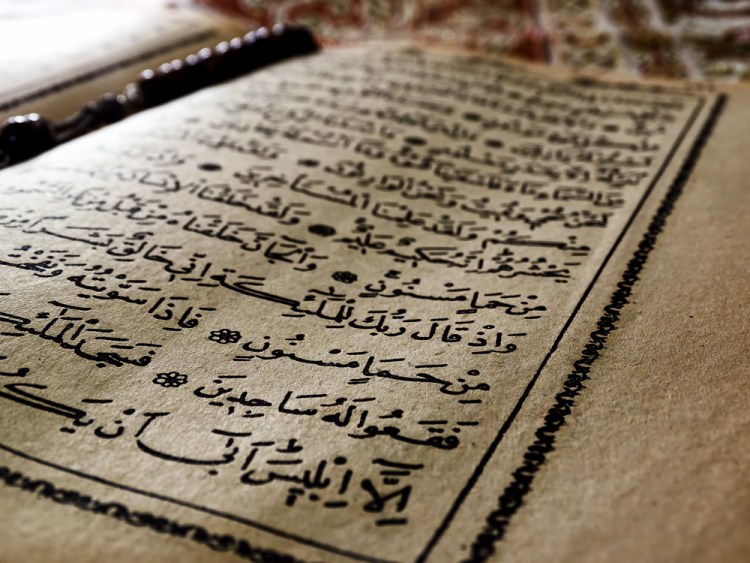
When you’re building a fictional religion, you don’t need to write your very own Quran or Holy Bible to decide if your religion has some kind of religious text to go along with it. Hell, you might even decide there is no religious text at all. Maybe the god or gods in your story interact directly with mortals, and there’s no need for a religious text when word can spread through word of mouth alone. Or if you do have some kind of religious document, it can be as short as The Ten Commandments, a quick list of things you shall or shall not do.
Again, this is not a “you totally need to have this” kind of thing when you’re building a fictional religion. But it can be helpful for your characters to have something to reference back to if they are religious, and even for you to reference back to when writing about your gods and how they might react to the things your characters do.
Here’s a quick example religious text written by a God of the Sea.
Edicts of the Sea
- Though shalt not interact with landwalkers
- Honor the Mami Wata, for they serve The Great Father directly
- Thou shalt deliver treasures discovered to the altar of The Great Father
2. What gods, goddesses, or other divine beings exist?
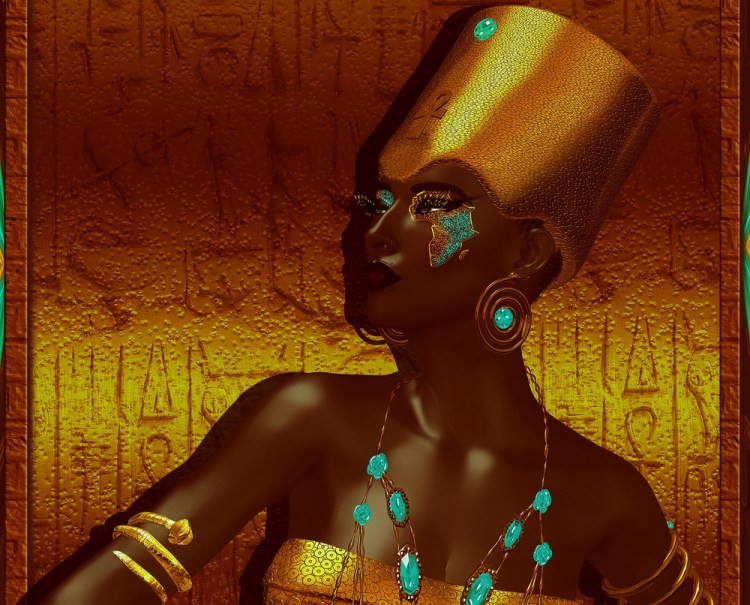
If you haven’t read Reyadh Rahaman’s excellent piece on how to write gods in fiction, then I highly recommend giving it a look, as it will help you determine what kinds of gods, goddesses, or various divine entities might be involved when you’re building your fictional religion. Are they conscious, sentient beings with their own desires and agendas? Or are they unthinking entities, simply the incarnation of certain concepts like life, death, or nature?
If they are indeed sentient, thinking entities, then you also have to consider their personality. Is your god or goddess cruel or kind? Are they worshipped out of love, or out of fear? Do they interfere in the lives of mortals often, or do they prefer a laissez-faire style of ruling? Do they view mortals merely as pawns and servants, or as something more? Do we get all Greek mythology up in here, with gods constantly interfering in the lives of mortals and often taking them as lovers?
3. What does each god represent?

You might have one god or goddess who rules over everything. Or you might have a pantheon of gods, similar to Egyptian or Greek mythology, with each god having one or a few different “specialties” that they serve as the incarnations of. For example, Poseidon as God of the Sea, or Osiris as God of the Underworld.
If you have multiple gods, consider what each of them is capable of and how that might impact how they’re worshipped. A god of medicine may be capable of healing miracles, and their followers will likely be healers, priests, and druids who seek to heal the sick and wounded. Whereas a god of death may usher the souls of the dead to the afterlife or the underworld, and their followers may be fascinated with the concept of death—either how to escape it, or how to expedite it.
Ask yourself what your god or gods represent, and how powerful they are. What are they capable of, and how might they use their gifts to grow in power and influence (assuming that’s even something they want)?
4. What do people of a particular faith believe in?

Somewhat similar to whether or not there is a religious text and what each god represents, it’s important when building a fictional religion to understand what exactly it is that the followers of a particular faith believe in. It doesn’t have to be everything down to the smallest superstitions (for example, someone who believes in a god of death viewing carrion birds as an auspicious sign), but you definitely want to at least have an idea of the broader aspects of your created faith.
For example, maybe followers of a war god believe that death in battle is the greatest honor the god can bestow upon them. That death in battle is a guaranteed ticket to an eternity in paradise. Because of these beliefs, they’d be more keen to join a battle than the average person, and they may fear death on the battlefield very little, while fearing death outside the battlefield quite a lot, because death outside the battlefield means no eternity in paradise.
What does your created religion have to offer its believers? What keeps them believing? Perhaps it’s a promised afterlife, a reprieve from the fear of something every mortal fears: death. Or perhaps it’s something else. Whatever the case may be, asking yourself what those of a particular religion might believe in will help you better determine their behavior and how they view life and death.
5. Are there cultists who take their interpretation of religion to an extreme?

Most, if not every, ideology has some extremists who take their beliefs way too far. Does your novel have any characters who fit this bill, who are so fixated on following the edicts of the religion you’ve built that they become almost the antithesis of what was intended? Do they turn against your protagonist and become a villain, hellbent on forcing everyone to follow the same scripture that they do (or else)? Are they convinced that the only way to prevent the world from falling into death and destruction is by destroying in their religion’s name?
Building a fictional religion creates a great opportunity to introduce an antagonist or a group of antagonists to the story. Religious extremism is far from uncommon here on Earth, so what happens if you kicked it up a notch? What if:
- Gods exist, and they fully encourage religious extremism in their name?
- Magic exists, and that magic can be used by cultists to bend people to their will?
- There is any kind of proof of the worshipped deity being real, giving extremists an ideological edge?
- Multiple gods exist, and all of them are vying for worshippers, willing to do whatever it takes to gather more?
- Powerful gods seek to crush the lesser gods who they believe are standing in their way and siphoning followers from them?
- A malevolent force that is neither god nor mortal influences the minds of would-be worshippers, driving them to cultism?
6. What does it mean to follow the scripture in this fictional religion?

When you’re creating a fictional religion, you’re also creating a philosophy. Think of the Ten Commandments, a list of rules that God expects his followers to adhere to. What does your religion expect of its followers? Is there a god or group of gods who enforce these rules, punishing those who stray from piousness?
You can get super creative here, too. You might think the scripture involves being a good person, but that really depends on the religion you’ve built. You can add all kinds of wacky and interesting expectations for those who follow a certain religion. For example, following a god of the harvest might mean that you are expected to harvest a certain number of crops every season, and if you don’t, all your crops will wither and die. Following a god of the sea might mean you’re expected to hunt or fish for an offering for your god or goddess, and if you fail to do so, you will not catch anything and risk starvation.
The gods can be cruel, fickle beings. Use that. Ask yourself what your religion might expect of your followers, and ask yourself how strict these expectations might be.
7. Is there an organized religion in your world?

When building a fictional religion, ask yourself how widely followed it is. Is your religion large enough that there’s an organized sect of believers? If so, when and where do they tend to gather, if at all? Is there a church, a shrine, or some kind of altar at which your religious characters can worship? If so, who tends to lead these organized sects, and how do these groups come together to worship?
Some other questions that follow this include:
- What is expected of every member of a religious organization?
- Is there a dress code required when attending a service?
- Does the religious organization come together and help each other as a community?
- Is every believer expected to attend service?
8. What does this religion say about the existence of an afterlife/ do its members believe in reincarnation?

Do your religious characters believe in an afterlife? Reincarnation? Another phase of life after shuffling off this mortal coil? And if they do, do they use this presumed afterlife or next life to encourage followers to follow the scripture to the letter?
In Christianity, it is believed that you will either go to Heaven or burn in Hell depending on your behavior in life. In Hinduism and Buddhism, there is reincarnation or the rebirth of the deceased into a new life. If your characters are religious, then they may believe in an afterlife or some form of reincarnation, depending on the edicts of the religion you’ve built. This could shape their behavior and how they face the dangers ahead, how they handle the temptation to perform wicked deeds, and the various interactions they’ll have with other characters. This, of course, also depends on how devout they are, but the promise of an eternal paradise or eternal torment could surely shape how your religious character interacts with the world.
9. Do gods require worship for their powers to function?
Once again, you might be dealing with a singular entity that rules over all, regardless of whether or not it’s worshipped. In that case, this question isn’t something you need to worry about too much. Their power is law, and no amount of worship (or lack thereof) would change that.
However, if we’re talking about pantheons of weaker gods and goddesses, they might have certain requirements to maintain their power. Perhaps they require sacrifices to keep up their strength. Or their power grows the more they receive prayers from desperate mortals.
This is an important question to ask when trying to gauge just how powerful your gods are. Presumably, “major gods” would have more temples scattered around the world, and many, many more followers. Whereas minor gods might only be followed by pockets of believers, and their influence may therefore be more limited. It’s a fun way to make the gods characters themselves, having them worry about how many worshippers they have, and having them fear losing power or even disappearing entirely if no one believes in them.
10. What are the greater societal implications of building your fictional religion?

When you’re building a religion, one thing to keep in mind is just how big and influential this religion and its god or gods may be. If you’re working with a large religion with a lot of followers, it’s very unlikely that this religion won’t have an impact on the day-to-day workings of your society. In fact, religious extremism is one of the many ways in which a society could fall apart entirely.
Is your society a theocracy? Assuming gods do exist, it’s entirely possible that it is. But depending on how your god or gods behave, it’s also entirely possible that they have a very hands-off approach to ruling mortals, in which case your society could function in any number of different ways. And even if it’s not a theocracy, religious organizations can still have a lot of sway on everything from legislation to customs and anything in between.
